Understanding Physical Activity and Health
Physical activity encompasses all movement—from structured exercise to daily activity like walking and household tasks. Both types contribute to health. Scientific evidence consistently demonstrates that regular physical activity supports metabolic health, cardiovascular function, mental well-being, and overall longevity.
How Exercise Affects Metabolism
Immediate Effects of Activity
During physical activity, muscles increase energy expenditure to fuel movement. Different types of activity create different metabolic responses:
Aerobic Exercise
Sustained activity like walking, running, cycling, or swimming that increases heart rate and oxygen utilization. Aerobic activity primarily uses carbohydrate and fat as fuel sources.
Resistance Training
Activities involving resistance (weights, bodyweight, elastic bands) that build or maintain muscle mass. Resistance training increases muscle protein synthesis and supports metabolic function.
Flexibility and Balance Work
Activities like yoga and tai chi that maintain range of motion, balance, and functional capacity, important for quality of life and injury prevention.
Long-Term Metabolic Effects
Regular physical activity produces lasting changes in metabolism:
- Increased Muscle Mass: Resistance training builds muscle, which has higher metabolic activity than fat tissue
- Improved Insulin Sensitivity: Activity enhances how efficiently cells respond to insulin
- Mitochondrial Function: Exercise improves the function of cellular powerhouses that generate energy
- Enhanced Cardiovascular Function: Aerobic training strengthens the heart and improves circulation
- Metabolic Flexibility: Regular activity improves the body's ability to use different fuel sources
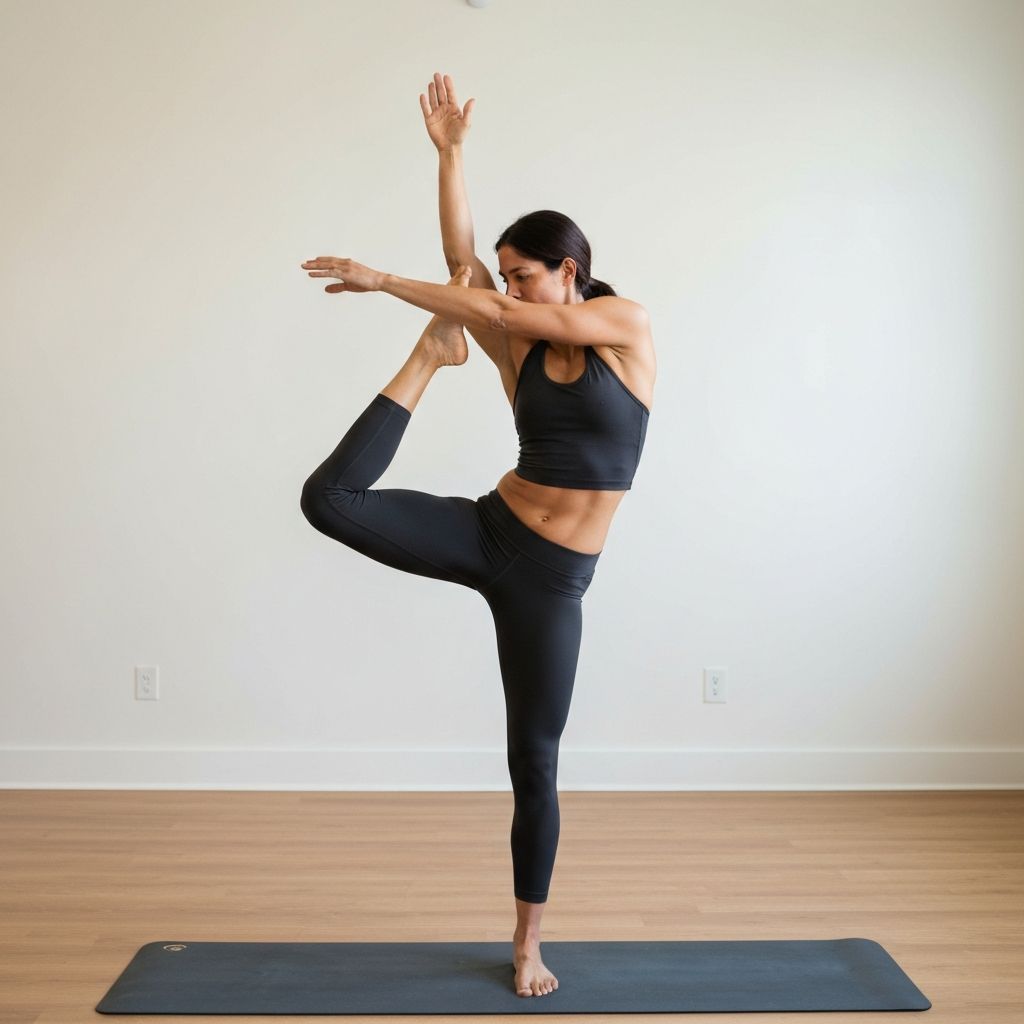
Types of Physical Activity and Their Benefits
Cardiovascular Exercise
Examples: Walking, running, cycling, swimming, dancing
Benefits: Improved heart health, increased endurance, enhanced circulation, reduced disease risk
Resistance Training
Examples: Weight training, bodyweight exercises, elastic resistance
Benefits: Increased strength, muscle maintenance, bone density, metabolic support, functional capacity
Flexibility Training
Examples: Yoga, stretching, tai chi, pilates
Benefits: Maintained range of motion, reduced injury risk, balance improvement, relaxation
Daily Movement
Examples: Walking, household tasks, occupational activity
Benefits: Energy expenditure, functional fitness, mental health, accessibility
High-Intensity Activity
Examples: HIIT, circuit training, interval workouts
Benefits: Efficient calorie expenditure, metabolic enhancement, time efficiency
Sports and Recreation
Examples: Team sports, racquet sports, martial arts
Benefits: Enjoyment, social connection, comprehensive fitness, motivation
Cardiovascular Health Benefits
Physical activity directly supports cardiovascular health through several mechanisms:
- Blood Pressure Regulation: Regular aerobic activity helps lower and maintain healthy blood pressure
- Cholesterol Profile: Exercise can increase HDL ("good") cholesterol and help reduce LDL cholesterol
- Heart Function: Aerobic training strengthens the heart muscle and improves circulation
- Reduced Inflammation: Physical activity helps reduce systemic inflammation linked to cardiovascular disease
- Blood Sugar Control: Exercise improves how efficiently the body manages glucose
- Weight Management: Activity contributes to maintaining healthy weight, reducing cardiovascular strain
Mental and Neurological Benefits
Beyond physical health, physical activity significantly supports mental and neurological well-being:
Mental Health
- Reduced symptoms of depression and anxiety
- Improved mood through endorphin release
- Enhanced self-confidence and body image
- Stress reduction and improved coping
- Social connection (especially group activities)
Brain Function
- Improved memory and cognitive function
- Enhanced neuroplasticity and brain health
- Reduced dementia risk with regular activity
- Improved focus and attention
- Support for healthy brain aging
Sleep Quality
Regular physical activity improves sleep quality, which in turn supports metabolic health, immune function, and cognitive performance.

Physical Activity and Bone Health
Weight-bearing and resistance activities are particularly important for maintaining bone density and strength, especially important for women approaching and in menopause, and older adults. Regular activity helps maintain skeletal integrity and reduces fracture risk.
Physical Activity Recommendations
Current evidence-based recommendations for health include:
Aerobic Activity
At least 150 minutes of moderate-intensity or 75 minutes of vigorous-intensity per week, spread throughout the week.
Resistance Training
Muscle-strengthening activities on 2 or more days per week.
Flexibility
Flexibility and balance activities, particularly important for older adults.
Reduce Sedentary Time
Limit prolonged sitting; take movement breaks regularly throughout the day.
Individual Variation in Activity Needs
Physical activity recommendations should be individualized based on current fitness level, health status, age, and personal preferences. Starting where you are and progressing gradually helps build sustainable habits. Some individuals may have specific considerations requiring modified activities.
Sustainable Activity Habits
Building lasting activity habits involves:
- Choosing Enjoyable Activities: You're more likely to continue with activities you enjoy
- Social Connection: Group activities can increase motivation and adherence
- Gradual Progression: Start at an appropriate level and progress gradually
- Variety: Mixing different activity types prevents boredom and provides comprehensive fitness
- Integration into Daily Life: Finding ways to incorporate movement into daily routines increases consistency
- Environmental Support: Having accessible options and supportive community increases success
Conclusion
Physical activity is a cornerstone of metabolic health and overall well-being, supporting cardiovascular function, mental health, bone strength, and longevity. Combining regular aerobic activity, resistance training, and flexibility work provides comprehensive benefits. Most importantly, consistency over intensity and finding activities you genuinely enjoy supports sustainable, lifelong habits.