The Psychology of Eating
Eating is far more than a biological process. Psychological, emotional, cultural, and social factors profoundly influence what, when, and how much we eat. Understanding these aspects supports developing sustainable healthy relationships with food and eating habits.
Hunger and Satiety Signals
Biological Hunger Regulation
The body communicates hunger and satiety through complex physiological signals:
Hunger Signals
The hormone ghrelin increases before meals, promoting hunger sensations. The stomach sends signals when empty. Blood glucose levels decline, signaling need for fuel.
Satiety Signals
The hormone leptin signals fullness after eating. The digestive tract sends fullness signals. Nutrient absorption leads to satiety. These signals typically lag behind actual food intake by 15-20 minutes.
Honoring Hunger and Fullness
Mindful eating includes attending to hunger cues (eating when hungry) and stopping at comfortable fullness (not overstuffed). This contrasts with restrictive eating patterns that override these natural signals.
Barriers to Recognizing Signals
- Restrictive dieting patterns that suppress appetite awareness
- Distracted eating (while working, watching screens, etc.)
- Eating for emotional rather than physical reasons
- Environmental cues overwhelming biological signals
- Certain medical conditions or medications affecting appetite

Emotional Eating and Coping
Food is intimately connected to emotions. We use food to celebrate, comfort ourselves, and cope with difficult feelings. While occasional emotional eating is normal, chronic reliance on food for emotion regulation can develop problematic patterns.
Physical vs. Emotional Hunger
Physical hunger: Develops gradually, satisfied by various foods, stops at fullness
Emotional hunger: Sudden, craves specific foods, continues past fullness
Common Emotional Triggers
Stress: Often increases intake of calorie-dense comfort foods
Boredom: Eating as activity or stimulation
Loneliness: Food as comfort and connection
Developing Awareness
Recognizing when you're eating for emotional vs. physical reasons is the first step toward making intentional choices.
Alternative Coping Strategies
Developing non-food ways to manage emotions—exercise, social connection, creative activities, relaxation—supports balanced eating.
Food Preferences and Food Acceptance
Factors Shaping Food Preferences
Food preferences are shaped by multiple factors:
Familiarity
We tend to prefer foods we grew up eating. Repeated exposure to new foods can increase acceptance (known as the "mere exposure effect").
Cultural and Family Influences
Cultural food traditions, family eating patterns, and social contexts strongly influence food preferences and eating behaviors.
Taste, Texture, and Sensory Experience
Individual preferences for flavors, textures, temperatures, and other sensory qualities vary significantly.
Health Beliefs and Knowledge
Beliefs about food's nutritional value and health effects influence choices.
Availability and Accessibility
Food environment—what's available, convenient, and affordable—shapes actual consumption regardless of preferences.
Building a Varied Diet
Expanding food acceptance involves gradually exposing yourself to new foods without pressure, preparing familiar foods in new ways, and combining new foods with preferred foods. This approach is particularly useful when dietary changes are needed for health reasons.
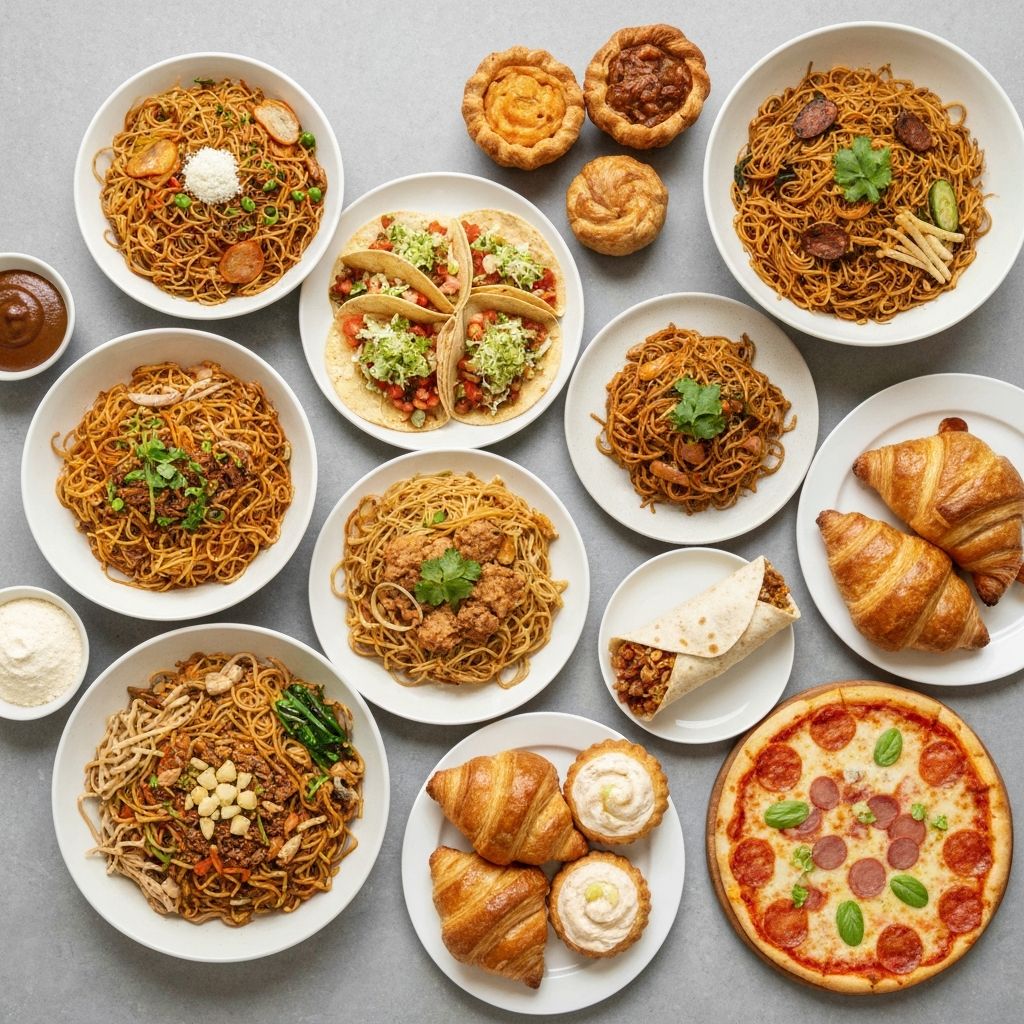
Social and Cultural Aspects of Eating
Eating is often a social and cultural experience. Meals shared with others have psychological and social benefits. Cultural food traditions carry meaning and identity beyond their nutritional value.
- Social Connection: Eating with others enhances satisfaction and enjoyment
- Cultural Identity: Traditional foods connect us to heritage and community
- Celebration and Ritual: Special foods mark important occasions and transitions
- Belonging: Sharing meals creates sense of community and belonging
- Communication: Meals provide time for conversation and connection
Mindful Eating Practices
Mindful eating involves bringing full awareness to the eating experience. This includes:
Eating Without Distractions
Minimizing screens and other distractions allows you to notice hunger, satiety, and food pleasure more easily.
Eating Slowly
Taking time to chew thoroughly and eat slowly allows satiety signals time to register.
Appreciating Sensory Experience
Noticing flavors, textures, aromas, and colors enhances enjoyment and satisfaction from food.
Curious Observation
Noticing thoughts, feelings, and physical sensations around eating without judgment supports understanding patterns.
Gratitude
Appreciating food's origins, the effort involved in its preparation, and its nourishment can enhance satisfaction.
Non-Judgment
Treating all foods and eating experiences with acceptance rather than labeling them as "good" or "bad" supports balanced eating.
Developing a Healthy Food Relationship
A healthy relationship with food includes:
- Flexibility: Ability to enjoy a wide variety of foods without rigid rules
- Self-Compassion: Treating yourself with kindness rather than judgment around eating
- Body Respect: Listening to and respecting your body's signals and needs
- Food Permission: Allowing yourself to eat foods you enjoy without guilt
- Balanced Perspective: Understanding that no single food or meal determines health
- Sustainable Habits: Developing eating patterns you can maintain long-term
When to Seek Professional Support
If you experience signs of disordered eating—including restrictive patterns, binge eating, obsessive food thoughts, or body image distress—seeking support from mental health professionals or eating disorder specialists is important. Eating disorders are serious conditions requiring professional treatment.
Conclusion
Psychological and emotional factors are integral to eating behaviors and nutrition. Developing awareness of these factors, practicing mindfulness around eating, and building a compassionate relationship with food and body support long-term healthy eating patterns and overall well-being. Nutrition is not just about nutrients—it's about the entire experience of nourishing yourself with awareness, enjoyment, and self-compassion.