Introduction to Macronutrients
Macronutrients are nutrients required in large amounts by the body: protein, carbohydrates, and fats. Together with water and micronutrients, these macronutrients provide the foundation for human nutrition, delivering energy and building materials essential for all bodily functions.
Protein: The Building Block Macronutrient
Structure and Composition
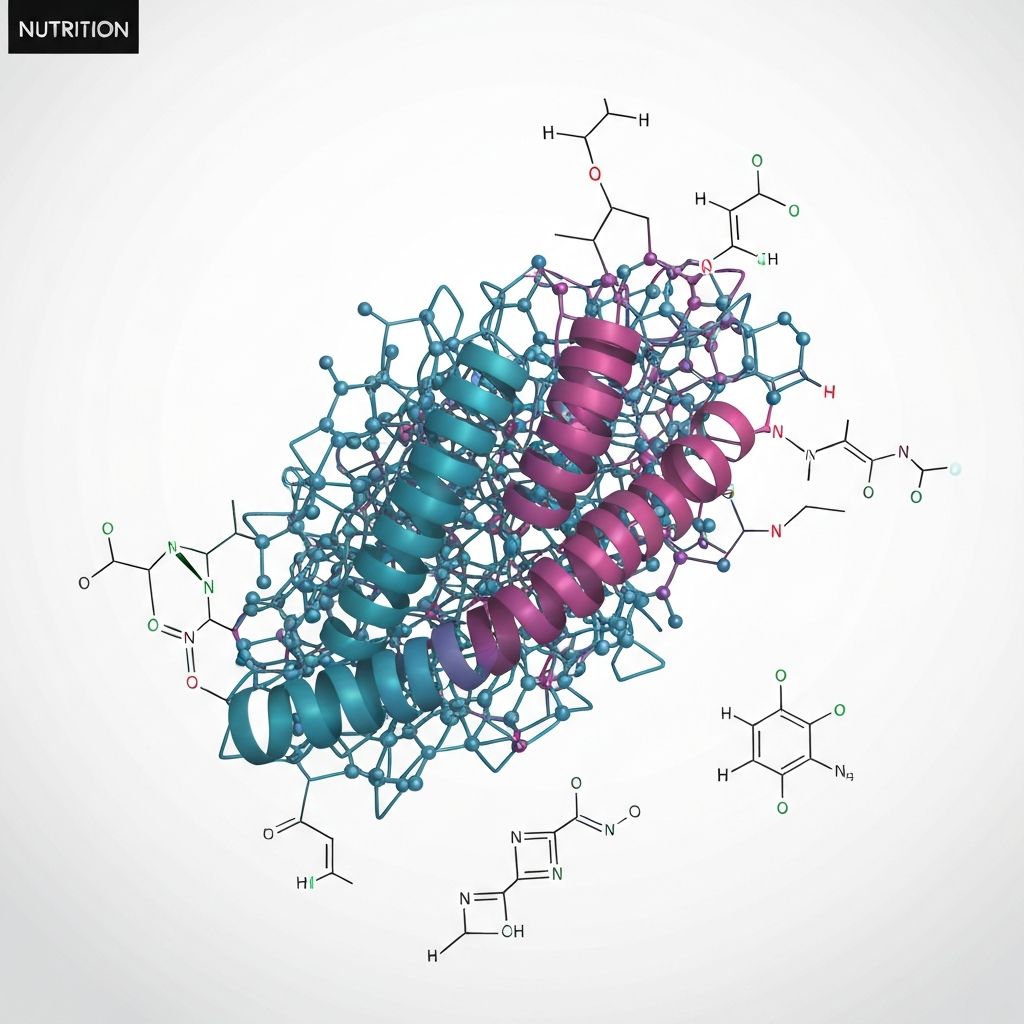
Proteins are made of amino acids—nitrogen-containing organic compounds linked together in various sequences. The human body uses 20 amino acids, nine of which are "essential" because the body cannot synthesize them and must obtain them from food.
Functions of Protein
- Tissue Building and Repair: Proteins are the primary structural component of muscles, bones, skin, and organs
- Enzyme Production: Many enzymes that facilitate biochemical reactions are proteins
- Hormone Production: Several hormones are protein-based
- Immune Function: Antibodies that fight infection are protein molecules
- Transport: Proteins carry oxygen, vitamins, and minerals throughout the body
- Energy Source: Protein can be used for energy (4 calories per gram)
Food Sources of Protein
Protein appears in both animal and plant foods:
- Animal sources: Meat, poultry, fish, eggs, dairy products
- Plant sources: Legumes, nuts, seeds, whole grains, soy products
Different sources provide varying ratios of amino acids and contain different micronutrient profiles, making dietary diversity valuable.
Carbohydrates: The Primary Energy Macronutrient
Structure and Classification
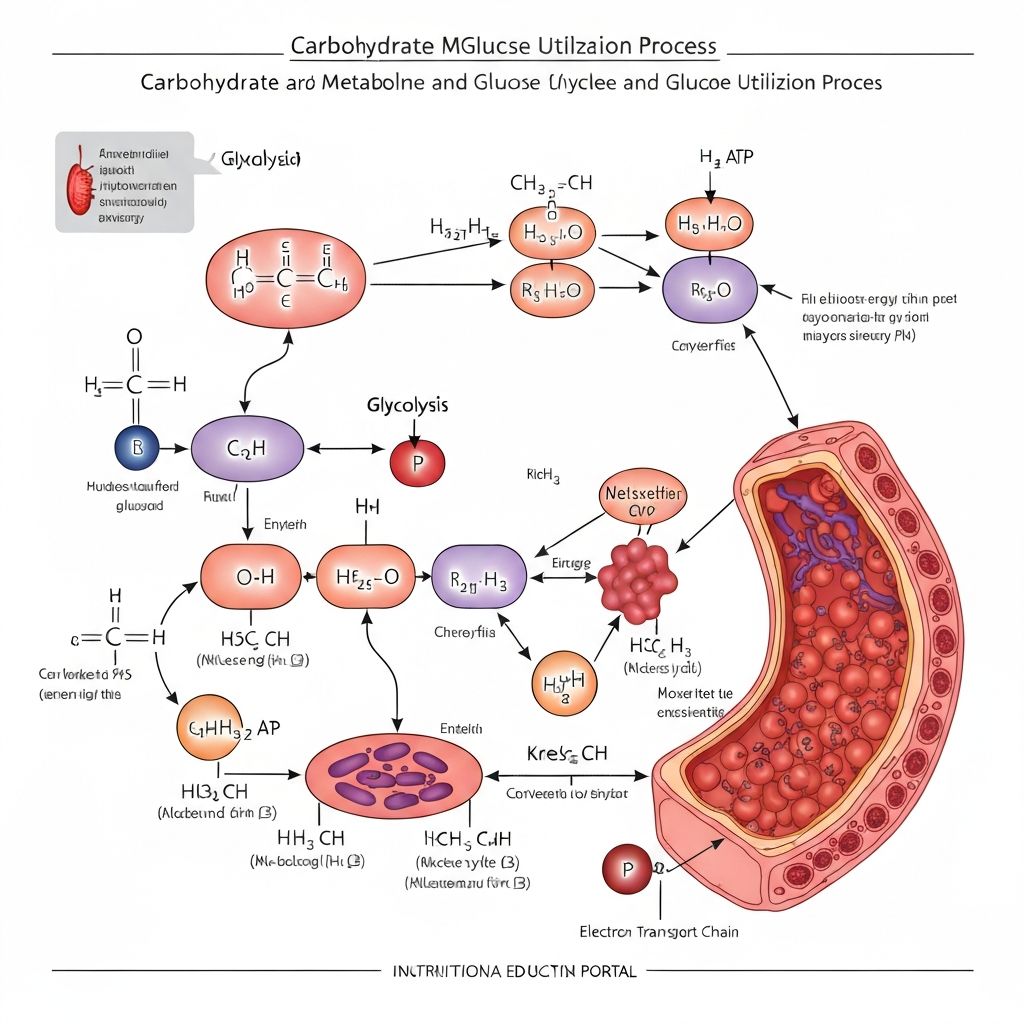
Carbohydrates contain carbon, hydrogen, and oxygen. They're classified by structure:
Simple Carbohydrates (Monosaccharides)
Single sugar molecules like glucose, fructose, and galactose. These are absorbed quickly and provide rapid energy.
Disaccharides
Two-sugar molecules including sucrose (table sugar), lactose (milk sugar), and maltose. These provide moderate digestion rates.
Complex Carbohydrates (Polysaccharides)
Long chains of glucose molecules found in starches and fiber. Complex carbohydrates digest more slowly, providing sustained energy and supporting satiety.
Functions of Carbohydrates
- Primary Energy Source: Carbohydrates are the brain's preferred fuel and the body's main energy source (4 calories per gram)
- Brain Function: The brain requires glucose for optimal function
- Physical Activity Fuel: Carbohydrates fuel muscles during activity
- Fiber Source: Dietary fiber (a non-digestible carbohydrate) supports digestive health
- Glycogen Storage: Excess carbohydrates are stored as glycogen for later energy use
Food Sources of Carbohydrates
- Whole grains: Oats, brown rice, whole wheat bread, quinoa
- Vegetables: Particularly starchy vegetables like potatoes and corn
- Fruits: All fruits contain carbohydrates (as simple sugars and fiber)
- Legumes: Beans and lentils contain both carbohydrates and protein
Fats: The Essential and Energy-Dense Macronutrient
Structure and Classification
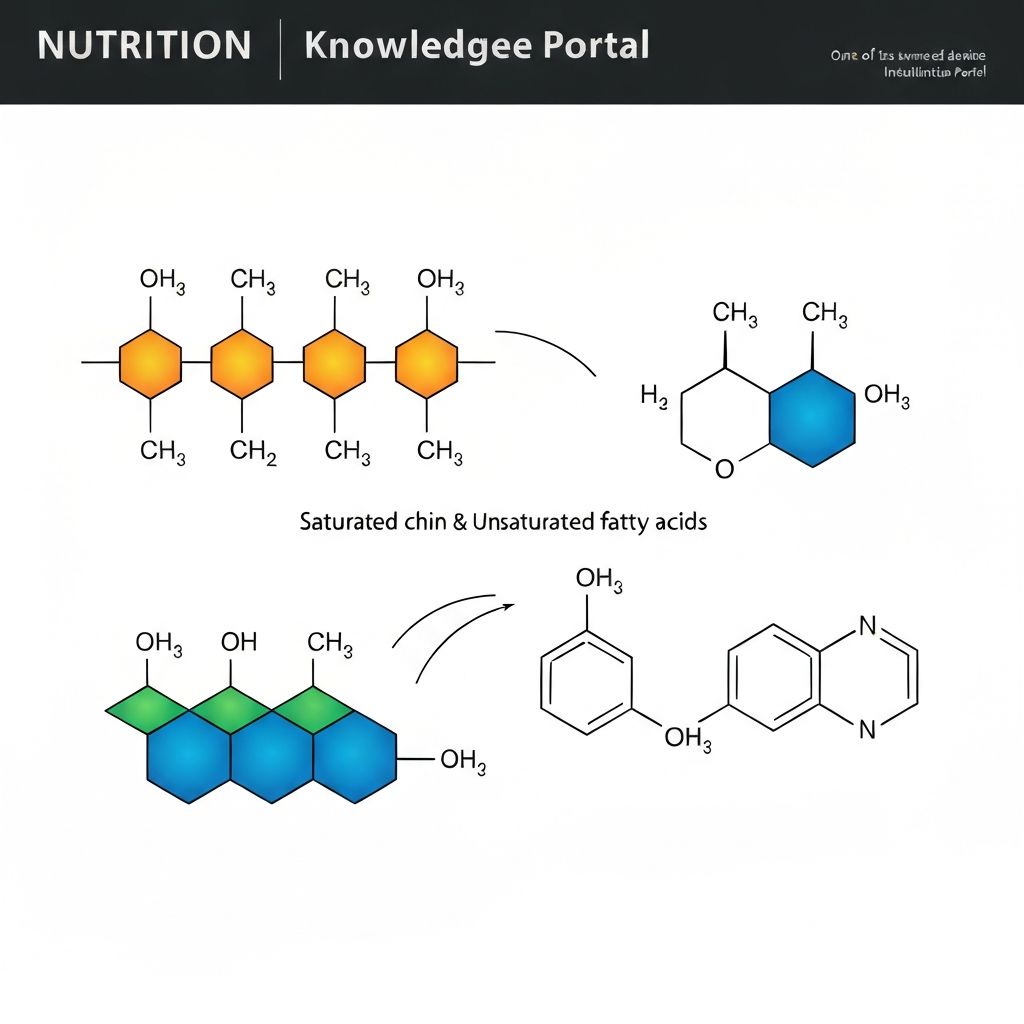
Fats (lipids) are hydrophobic molecules composed of glycerol and fatty acids. They're classified by structure:
Saturated Fats
Fatty acids with no double bonds between carbon atoms. Commonly found in animal products and tropical oils. Generally solid at room temperature.
Unsaturated Fats
Fatty acids with one or more double bonds. Found primarily in plant sources. Monounsaturated fats have one double bond; polyunsaturated fats have multiple double bonds. Generally liquid at room temperature.
Trans Fats
Created through industrial hydrogenation process, these artificially modified fats are found in processed foods and are generally considered unhealthful.
Functions of Fats
- Energy Storage and Production: Fats are energy-dense (9 calories per gram) and serve as the body's primary long-term energy storage
- Hormone Production: Fats are necessary for producing steroid hormones including estrogen and testosterone
- Nutrient Absorption: Fat-soluble vitamins (A, D, E, K) require dietary fat for absorption
- Cellular Structure: Fats are components of cell membranes
- Nervous System Function: Fats support brain and nervous system function
- Inflammation Regulation: Omega-3 and omega-6 polyunsaturated fats regulate inflammatory processes
- Satiety: Dietary fat contributes to feelings of fullness and satisfaction
Food Sources of Fats
- Oils and visible fats: Olive oil, coconut oil, butter, nuts
- Animal products: Fatty fish, meat, dairy
- Plant sources: Seeds, nuts, avocados, nut butters
Macronutrient Balance and Health
Different combinations of macronutrient ratios can support health, and optimal ratios vary between individuals based on genetics, activity level, health status, and personal preferences. Scientific evidence suggests that health outcomes depend more on overall diet quality and food sources than on specific macronutrient ratios.
Protein Synthesis
Adequate protein intake supports tissue building and repair, particularly important for athletes and aging adults.
Carbohydrate Quality
Emphasizing complex carbohydrates from whole grains and vegetables provides sustained energy and more nutrients than refined carbohydrates.
Fat Quality
Prioritizing unsaturated fats from plant sources and fatty fish supports cardiovascular and metabolic health.
Conclusion
The three macronutrients work synergistically to support human health and function. Rather than viewing macronutrients in isolation, a balanced approach emphasizing whole foods from all three macronutrient categories, while paying attention to nutrient density and personal needs, supports optimal nutrition.